The Three Traditions of PKS in the Age of AI
October 2026
Chris Livaccari, Head of School
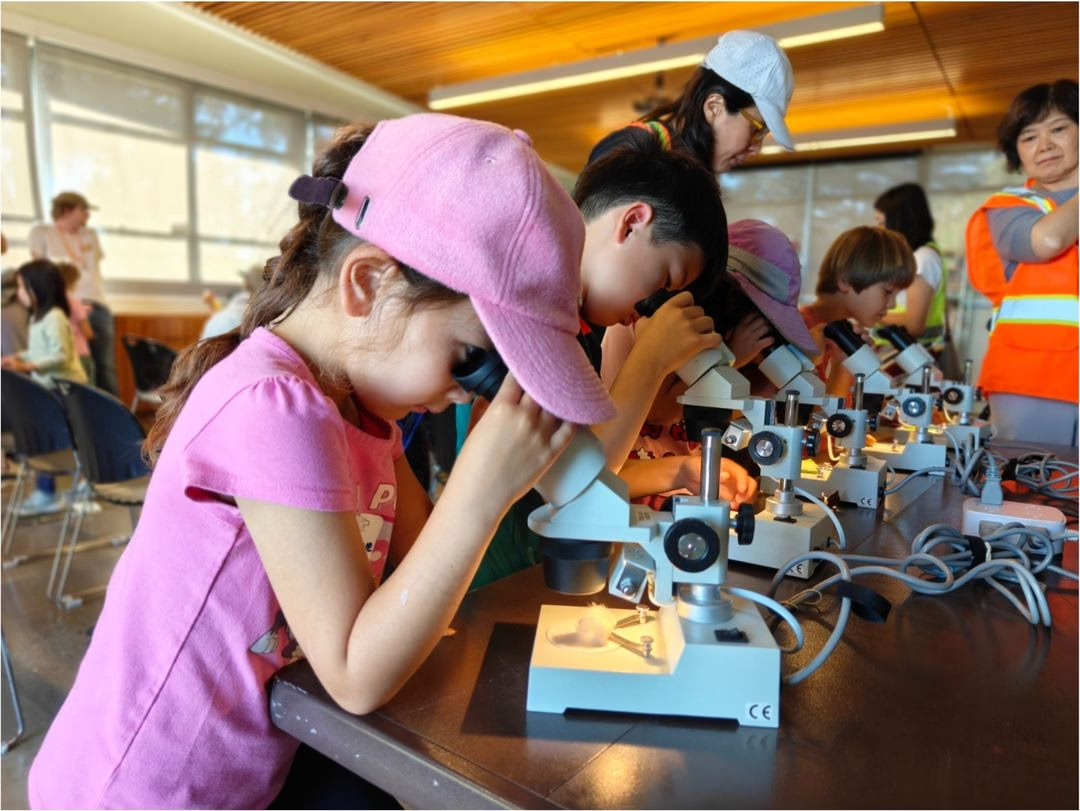
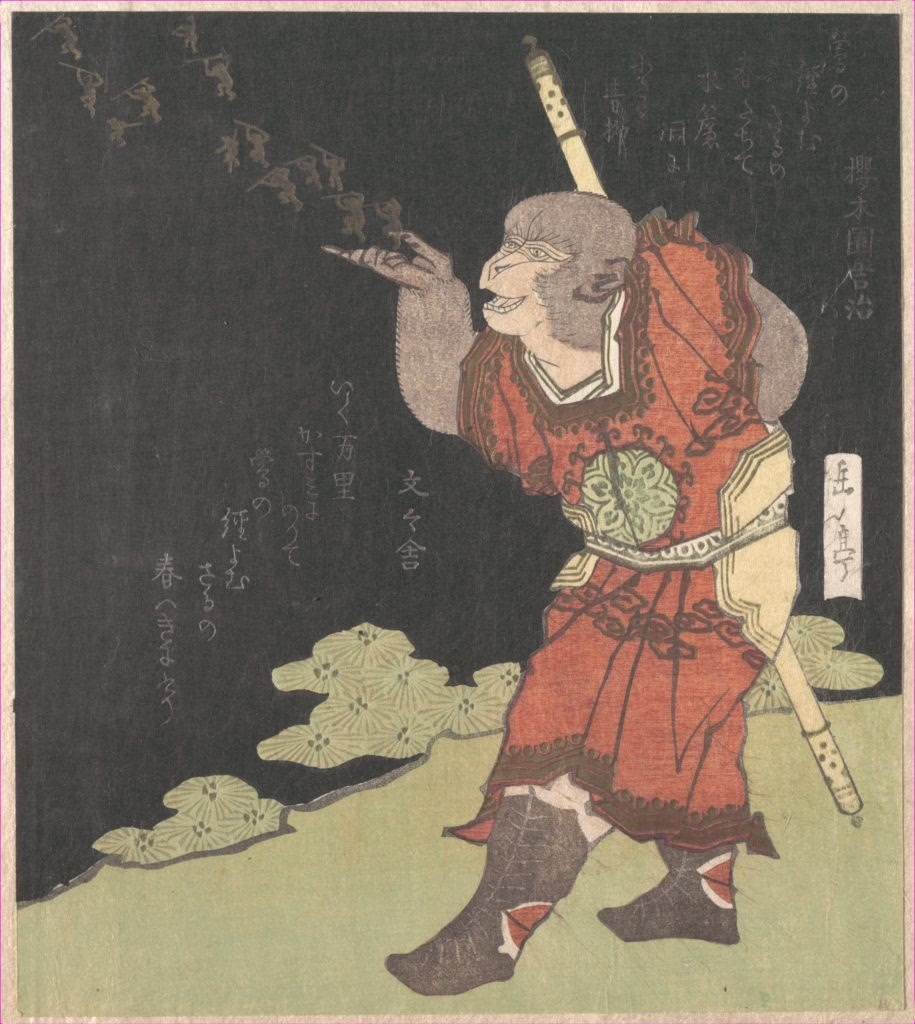
I hadn’t expected a recent visit to a PKS preschool classroom to bring me back to my own studies of the classic Chinese novel Journey to the West. Students were discussing major and minor characters (and monsters!) that appear in the novel. And they went way beyond the Monkey King Sun Wukong!
As the former student of Professor Anthony Yu, the great translator of the complete novel into English in four volumes, I was moved to hear children so young engaging in such subtle and sophisticated ways with a complex and multilayered narrative, and the central text for my intellectual and academic mentor. It reminded me of the three strands that shape learning at PKS.
PKS stands at the convergence of three great educational traditions.
From the Reggio Emilia approach comes an image of the child as capable, curious, expressive, and deeply connected to environment and relationship.
From Chinese humanistic traditions comes an understanding of learning as lifelong self-cultivation, in which knowledge, character, relationship, reflection, and action are inseparable.
From American progressive education comes learning through inquiry, experience, experimentation, and participation in community.
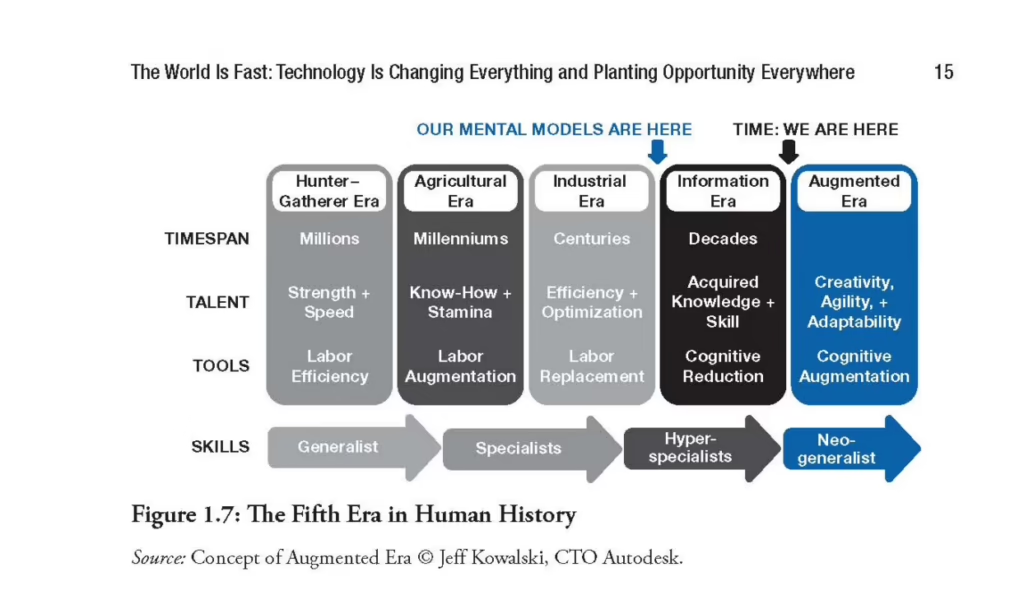
Although these strands emerge from three distinct historical traditions, they form the basis for 21st century skills — what we define as “global competence” — in a way that is far more effective and impactful than current mechanistic (i.e., test taking) approaches to education that are a relic of the 19th and 20th centuries. Many educational models still reflect the Industrial Era and the Information Era, which focused on acquired knowledge and skills and privileged hyper-specialization.
By contrast, the era we are now moving toward – often dubbed the “Augmented Era” – favors creativity, adaptability, and agility. These are the very capacities the three strands of a PKS education are designed to cultivate, preparing students to thrive in a rapidly changing world.
With the emergence of AI and a world that is increasingly dynamic and uncertain, it is more important than ever for our students to develop the mental flexibility to respond and adapt to new conditions and realities. Futurist Heather McGowan identifies “emotional regulation, resilience, and connection to a sense of purpose” as core skills for professionals in the 21st century. This couldn’t be more PKS!
We ensure that our students are prepared to use both Mandarin and English in real world settings. We are particularly interested in whether students can use Mandarin as a language for sophisticated thinking and engagement through tasks such as:
- Pitching a team of VCs on a new startup idea and developing and defending a business case.
- Producing a documentary film about life in rural southern China, grounded in student research and interviews.
- Presenting a photojournalism project exploring Taiwanese history and identity.
- Designing computer games that interpret and reimagine stories from classical Chinese mythology and literature.
- Researching, discussing and debating complex questions such as the future of US-China relations, the role of AI in education, the use of DNA evidence in criminal trials, or whether mathematics is an invention or a discovery.
These authentic projects and assessments provide meaningful evidence that our students will be able to use their skills in real world settings, their further education, and a rapidly changing and uncertain future. And while most of these projects focus on contemporary issues, they remain grounded in a Chinese tradition in which education is not fundamentally the accumulation of information. Rather, learning is part of the ongoing formation of a person. That formation involves knowledge, ethical judgment, habits, relationships, reflection, conduct, and one’s responsibilities to a larger community, as well as responding and adapting in real time to changing conditions and challenges – flowing with the Dao, as the ancient philosophers would say!
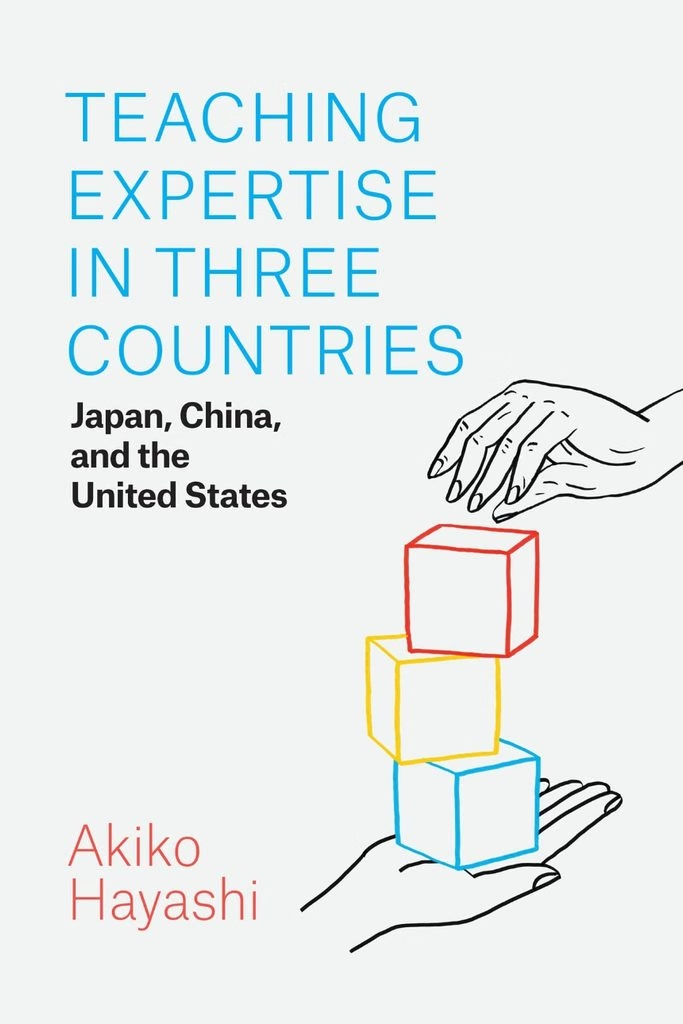
The continuing relevance of these traditions is confirmed in a well known study of Teaching Expertise in Three Countries, in which researcher Akiko Hayashi notes that “Chinese participants often responded to questions (about teaching and learning) by citing Taoist and Confucian concepts, while Japanese participants cited Zen notions…Several Chinese educators drew on Taoist principles to describe the state of experienced teachers’ thinking.” This is the richness of the Chinese tradition that grounds our program.
Together, our three traditions make this formation of a person the heart of a PKS education. As AI changes what we can do, the ability to ask thoughtful questions, exercise ethical judgment, build relationships, and act with purpose becomes ever more essential.
Look out, AI – here come our PKS grads with the human-centered cognitive, intellectual, and social skills to lead, adapt, and evolve.