
PKS Travels | PKS 东南西北
Why We Travel
A PKS education prepares students to thrive in traditional classrooms, and we are proud of the unique spark our students carry with them into high school and beyond. Yet the true distinction of a PKS education lies far beyond the classroom—in the confidence, curiosity, optimism, and innovation they bring to laboratories and boardrooms, as well as to tiny villages and mountaintop temples far from home.
Our students develop global competency (and the spirit of a traveler) through the PKS Travel Program, PKS 东南西北, one of the defining experiences of a PKS education.
Beginning in Grade 5 with a week-long, STEM-focused camping expedition in the Sierra Nevada, students travel from Hawaiʻi to Taiwan and mainland China. Each PKS 东南西北 journey settles in one place for a sustained, deliberately slow-paced experience. Students form meaningful relationships with their hosts while learning about the history, culture, and natural environment of each place.
Throughout the four-year PKS 东南西北 journey, students carry a single travel journal, adding reflections, photographs, sketches, and observations each year. By graduation, it becomes a personal record not only of where they have traveled, but of how they have grown.
Grade 5: Sierra Nevada
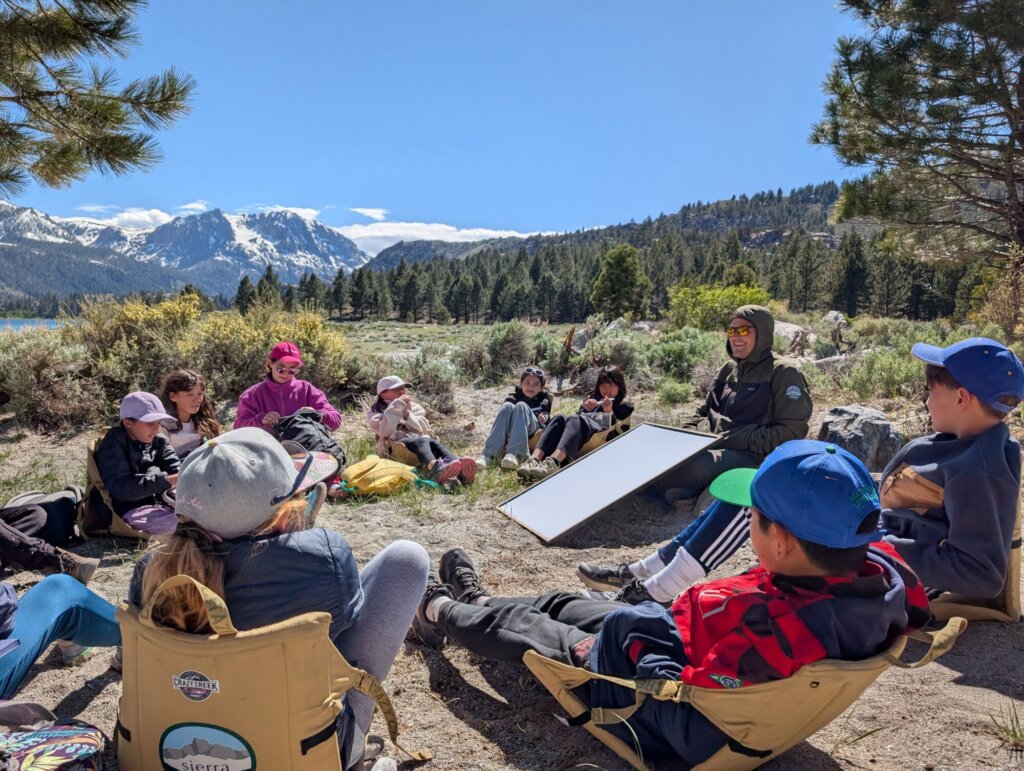
The travel program begins in the Sierra Nevada’s Mammoth Lakes region with hands-on, chemistry-focused fieldwork on water quality and climate change. Alongside the academic experience, students learn to be wise and capable travelers: they pack their own bags, pitch their own tents, plan and cook meals together, and discuss community, family, homesickness, teamwork, and growing up. Trip highlights include snowshoeing, a long silent hike in the Sierras, and nightly campfires. The trip is the capstone to the 7-week Changing Earth project, and the fieldwork and experiments give students a visceral connection to the challenges of climate change.
Grade 6: Hawaii
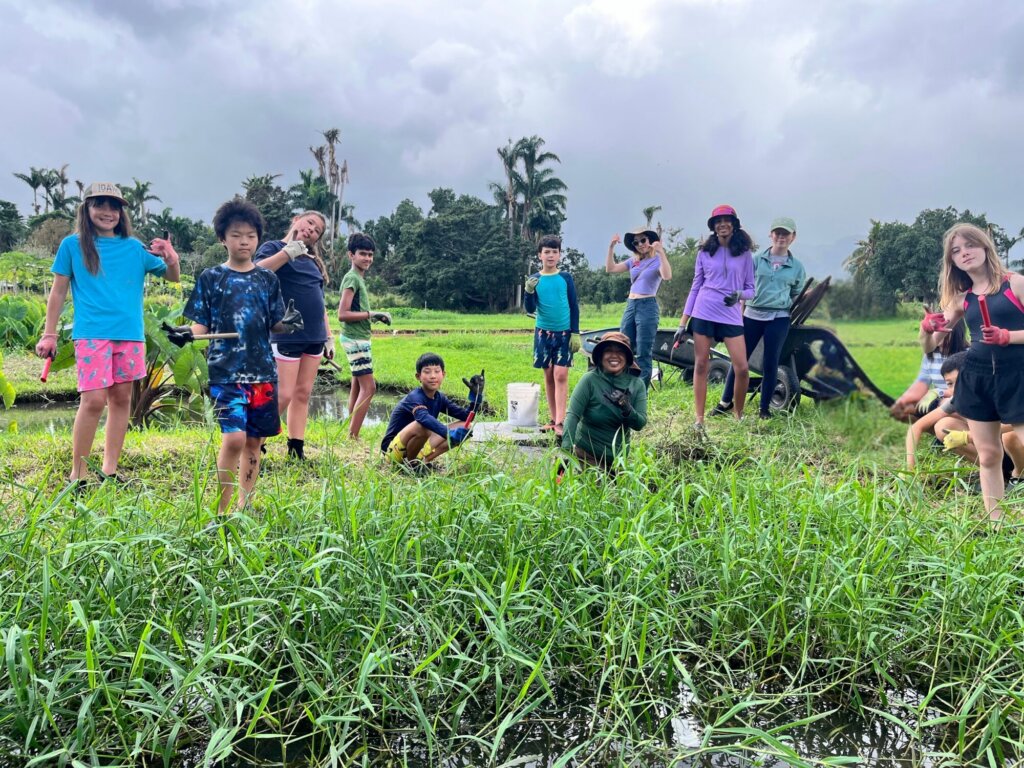
After a four-night trip within California, G6 students are ready for a bigger challenge—ten days of camping on an organic farm on Oahu’s North Shore. Our hosts run the farm with a deep appreciation for native Hawaiian culture. Students step into their stretch zones as they work the soil, use composting toilets, cook their own meals, and even sleep under the stars in a traditional hale. Along the way, they explore Hawaiian language and culture, contrasting the Bay Area ethos of “move fast and break things” with the Hawaiian practice of considering the far-reaching, multigenerational impact of every action. The experience is grounded in key Hawaiian concepts, including kilo (deep observation), pilina (connection), and ʻohana (family).
Grade 7: Taiwan
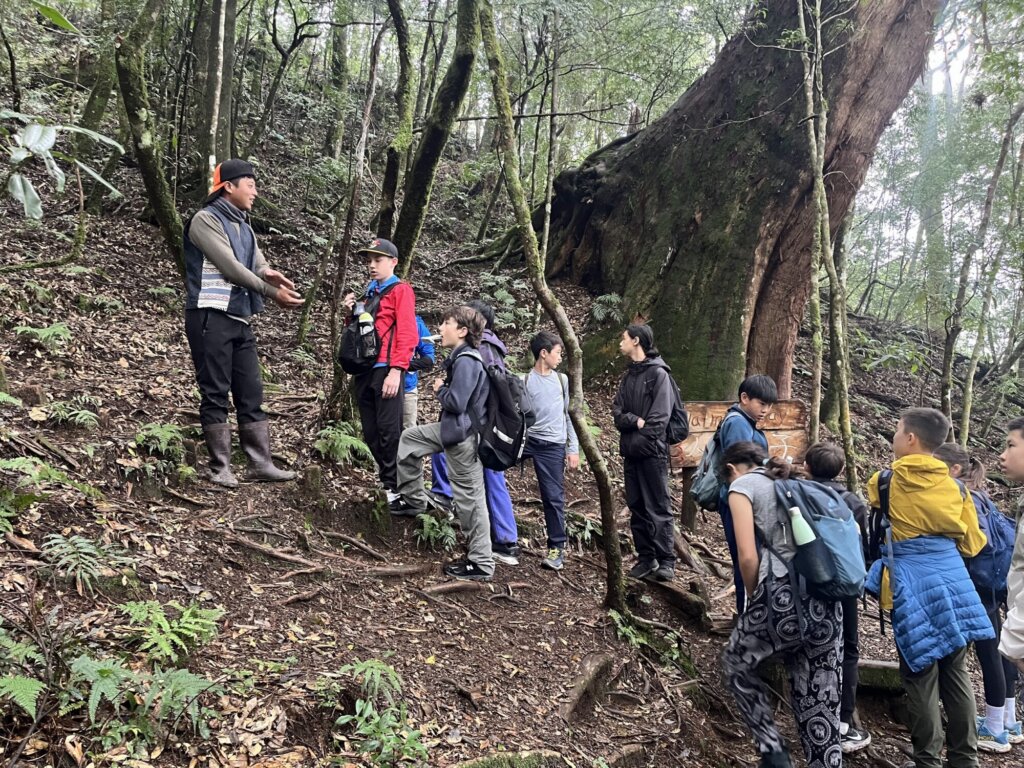
PKS 7th graders are ready for their first international trip. By now they know how to pack their own bags, do laundry in a sink, and support each other in ways great and small. In Taiwan, students continue to explore the world through new perspectives as they travel to an Atayal village about five hours from Taipei. Our local hosts speak both Mandarin and the Atayal dialect, and we learn about the historical and cultural complexities of Taiwan and Asia through their stories. This trip serves as the capstone to a historical study that begins with the Indigenous peoples of California and expands to the Indigenous peoples of Taiwan, examining the complex politics of 20th- and 21st-century Asia before returning to San Francisco to curate a photography exhibition at the Asian Art Museum.
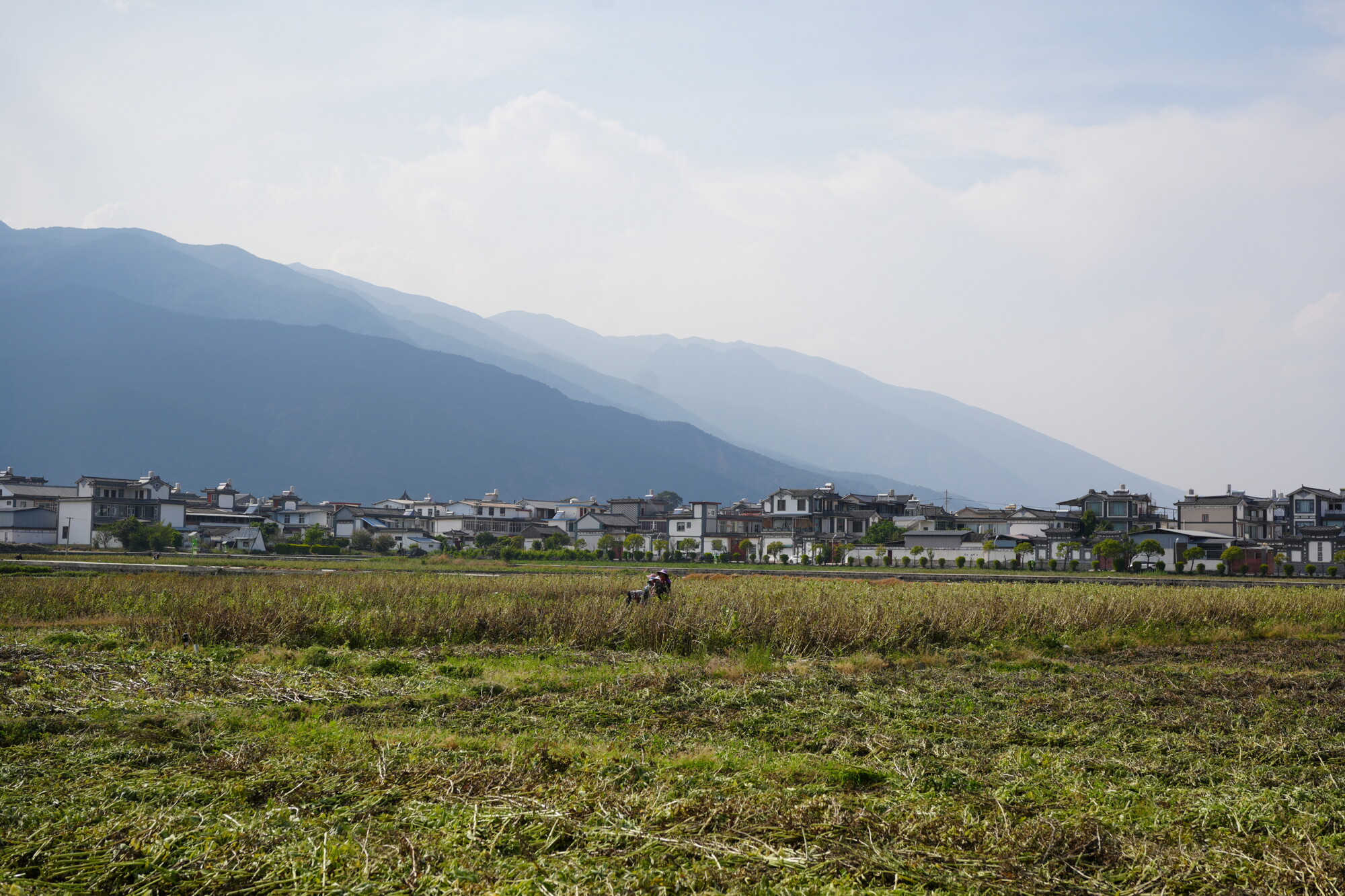
Grade 8: Yunnan
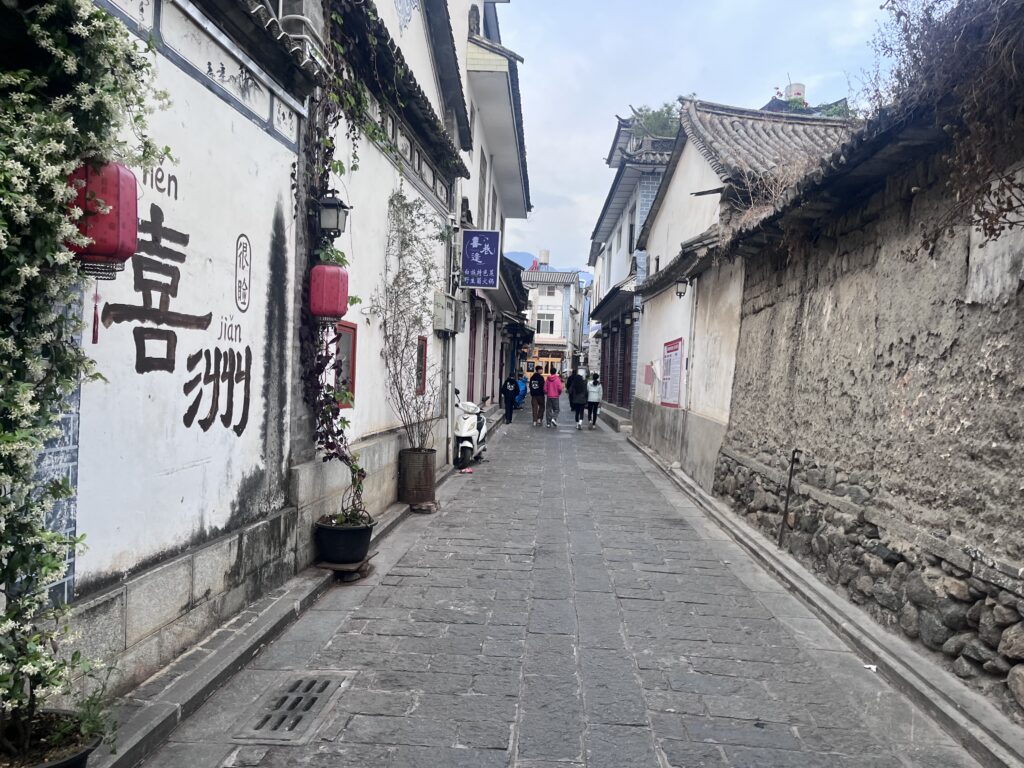
The final middle school trip takes students to Yunnan Province and the foothills of the Tibetan Plateau. Students receive training from documentary filmmakers and become documentarians themselves. This project asks each student to partner with local residents in Xizhou, a village on the outskirts of Dali, to make a short film telling stories of life in this remarkable community. After they return, students host a documentary film festival, sharing their films and inviting the PKS community to experience western China through their eyes.